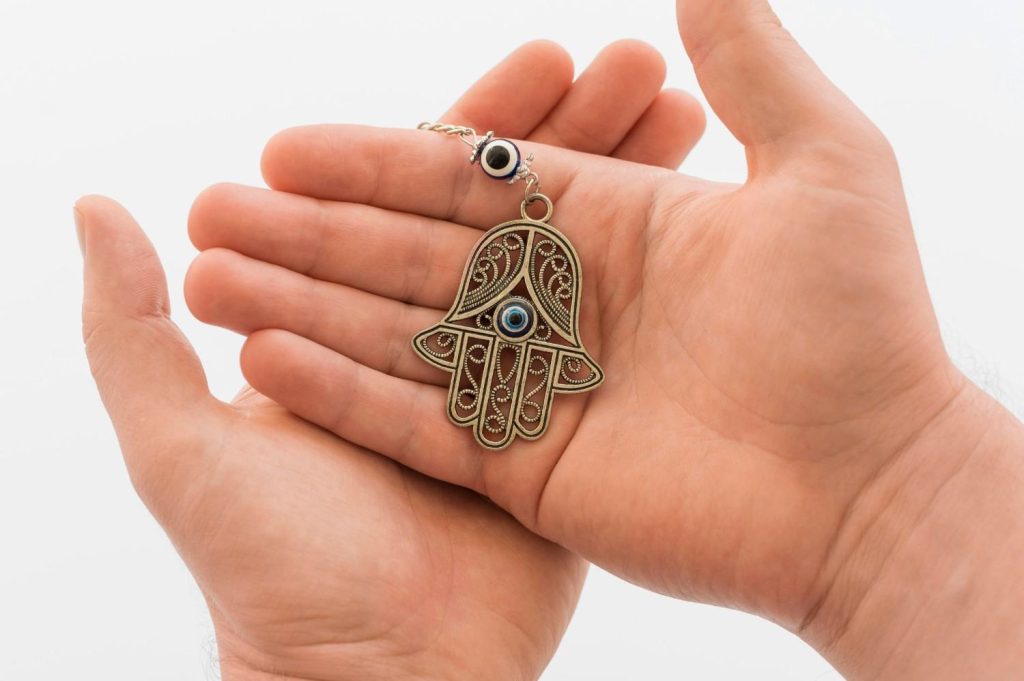
Across many cultures, the “evil eye” is a belief that has been passed down through generations — the idea that envy or ill will, whether intentional or not, can be directed at a person and affect their wellbeing. For newcomers and long-time residents alike, Toronto’s diverse communities keep these traditions alive, and many people continue to look for Evil Eye Protection in Toronto as part of maintaining a sense of balance and comfort in daily life. This article explores where the belief comes from, what traditional protective practices look like, and how these customs continue in a modern, multicultural city like Toronto.
What Is the Evil Eye and Why Do People Seek Protection?
The evil eye is a folk belief found in Mediterranean, Middle Eastern, South Asian, Latin American, and Eastern European cultures, among others. Traditionally, it refers to a harmful gaze or feeling — often rooted in envy, admiration, or jealousy — believed to bring bad luck, illness, or misfortune to the person it’s directed at, sometimes without the giver even intending harm.
Because of this, many families incorporate small protective customs into everyday life, such as wearing an evil eye charm (often a blue-and-white glass bead) or keeping protective symbols in the home. When someone feels they may have been affected, some turn to evil eye removal rituals passed down through their family or community. These practices are rooted in cultural tradition and personal belief rather than scientific evidence, and they are best understood as part of a broader heritage of folk customs rather than a medical or clinical solution to life’s challenges.
What Is Nazar Protection?
“Nazar” is a word used in South Asian, Middle Eastern, and Central Asian cultures to describe the evil eye itself — the harmful glance believed to stem from envy or excessive admiration. Nazar protection refers to the customs used to guard against this, and it’s one of the most visible expressions of evil eye belief in Toronto’s South Asian and Middle Eastern communities.
Common nazar protection symbols include:
- The nazar amulet — a blue, eye-shaped glass or ceramic charm
- Black thread (kaala dhaaga) worn on the wrist or ankle
- A small dot of kohl placed on a child’s forehead or foot, a custom in some South Asian households
- Reciting specific prayers or verses believed to offer protection
These customs vary by region, religion, and even individual family, and many people practice them simply as part of cultural identity rather than out of fear.
What Traditional Practices Are Associated With Spiritual Protection?
Beyond the evil eye specifically, many cultures have broader traditions around spiritual protection — practices meant to create a sense of safety, balance, and positive energy in one’s home and personal life. In Toronto, where residents come from dozens of cultural backgrounds, these traditions often blend or coexist within the same neighbourhood or even the same household.
Traditional approaches to spiritual protection can include:
- Burning sage, incense, or other herbs to cleanse a space (a practice found in multiple cultural traditions, each with its own origin and meaning)
- Placing protective symbols or objects near entryways
- Reciting prayers, mantras, or blessings
- Seeking guidance from elders, spiritual practitioners, or astrologers within one’s community
It’s worth noting that these are cultural and spiritual customs, observed by choice and personal belief. They are not a substitute for medical, psychological, or professional advice when someone is facing a genuine health or life difficulty.
How Do People Traditionally Seek Protection From Negative Energy?
Many people describe wanting relief not from a specific curse, but from a general feeling of unease, stress, or a run of bad luck. This is often discussed in terms of negative energy protection — the idea of clearing away unwanted influences and restoring a sense of calm.
Traditional methods people turn to include:
- Keeping a tidy, decluttered living space, which many traditions associate with better energy flow
- Using protective charms or symbols at home or on one’s person
- Practicing mindfulness, prayer, or meditation
- Consulting a trusted elder, spiritual advisor, or astrologer for perspective and guidance
None of these practices are guarantees against life’s difficulties, and it’s important to approach them as sources of comfort and cultural connection rather than certain solutions. If someone is dealing with ongoing stress, anxiety, or health concerns, speaking with a qualified professional is always recommended alongside any personal or spiritual practices.
What Are Some Traditional Evil Eye Remedies?
Traditional evil eye remedies differ widely depending on cultural and religious background, and there is no single “correct” method — what one family practices may look quite different from another, even within the same broader culture. Some commonly known examples include:
- Salt or alum rituals — passing salt or a piece of alum around a person believed to be affected, sometimes followed by burning it, in certain Middle Eastern and South Asian traditions
- Reciting specific prayers or verses associated with one’s faith
- Wearing or gifting a nazar charm, especially to infants or new belongings like homes and vehicles
- Consulting an elder or spiritual guide who is familiar with family or community customs
Because these remedies are deeply tied to personal and cultural context, many people prefer to consult someone familiar with their specific tradition — whether a family elder, religious figure, or astrologer — rather than relying on generic guidance found online.
Exploring Guidance with Astrologer Psychic Vikram in Toronto
For those in Toronto who want to learn more about evil eye beliefs, nazar protection, or related spiritual practices within their own cultural context, Astrologer Psychic Vikram offers consultations rooted in traditional astrological and spiritual knowledge. These sessions are intended to provide guidance, perspective, and cultural insight for people interested in exploring these long-standing traditions.
As with any spiritual or cultural practice, consultations are a matter of personal choice and belief, and no specific outcomes or results can be guaranteed. Readers are encouraged to approach these services as a source of guidance and cultural connection, alongside — not in place of — professional medical or psychological support when needed.
Frequently Asked Questions
It traditionally means the person believes envy, admiration, or ill will has been directed at them (or someone else), potentially bringing bad luck. It’s a cultural and folk belief rather than a scientifically confirmed phenomenon.
Yes, “nazar” is the term used in South Asian, Middle Eastern, and Central Asian traditions for the evil eye — the harmful gaze believed to stem from envy or excessive admiration.
There’s no scientific evidence that evil eye charms provide physical protection. Many people wear them for cultural, symbolic, or emotional comfort rather than as a proven remedy.
No. Variations of the belief exist across Mediterranean, Middle Eastern, South Asian, Latin American, and Eastern European cultures, among others, each with their own symbols and customs.
No. Traditional and spiritual practices can offer comfort and cultural connection, but they should not replace professional medical, psychological, or mental health support when it’s needed.
Speaking with family elders, community members, or a spiritual advisor familiar with your specific background is often the most reliable way to understand the customs relevant to you.
Conclusion
The evil eye is a belief woven through many cultures, and the traditions around it — from nazar charms to protective prayers — continue to hold meaning for many people in a city as diverse as Toronto. Whether someone is drawn to these customs out of family heritage, curiosity, or a desire for comfort, understanding the cultural roots behind Evil Eye Protection in Toronto offers valuable context for anyone exploring these practices today.

